Porcelain-Fused-to-Metal Crowns: A Time-Tested and Practical Restoration Option
Posted: March 25 , 2026
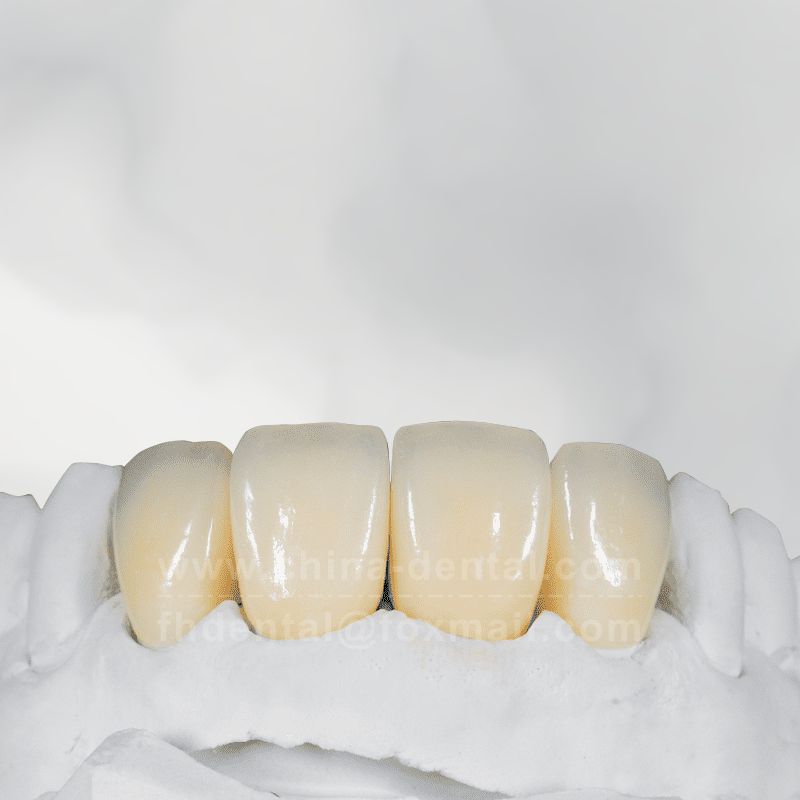
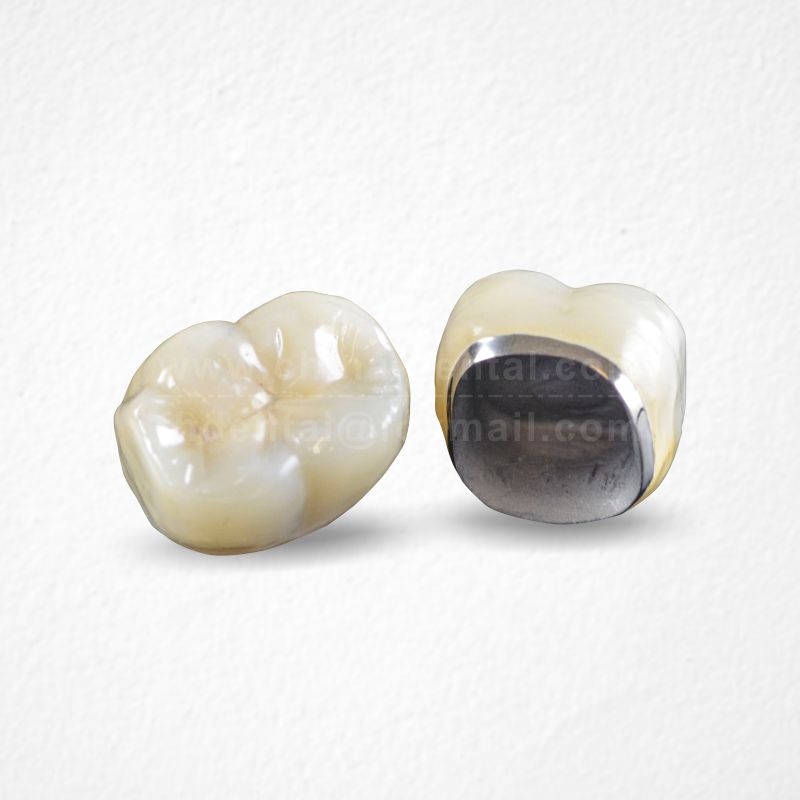
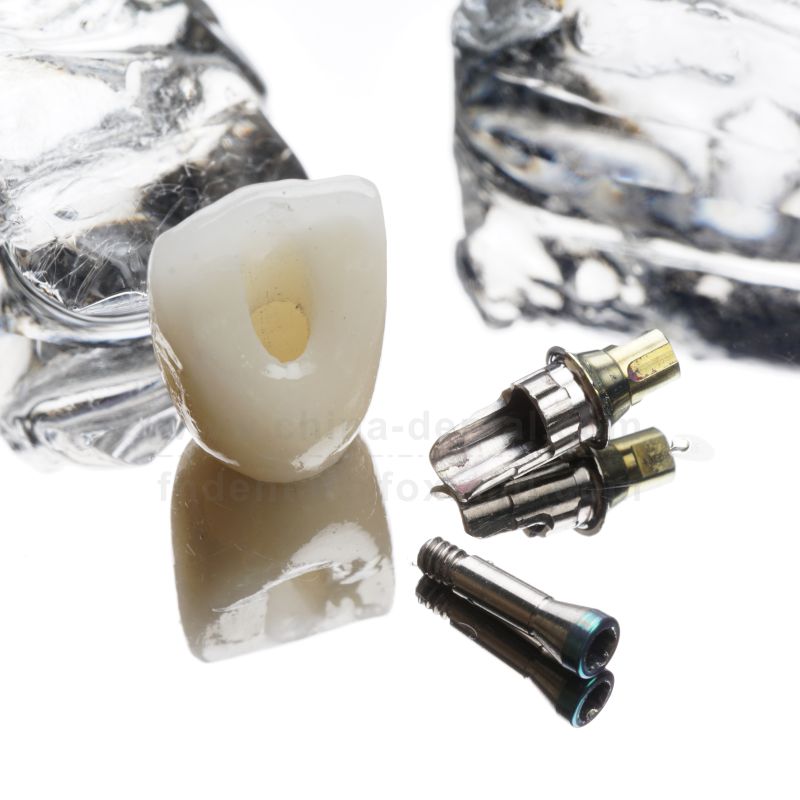
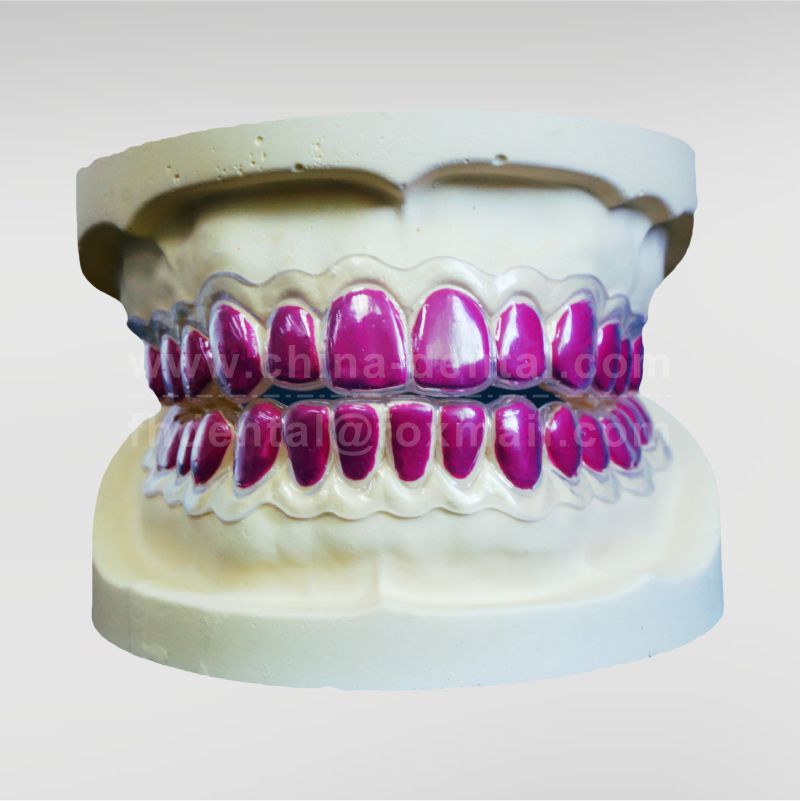
When faced with dental restoration, patients often hesitate among a variety of materials. In reality, not every situation requires the most premium all-ceramic materials—especially in the posterior region where aesthetic demands are lower, or when considering overall treatment costs. In such cases, porcelain-fused-to-metal (PFM) crowns remain a practical choice that has stood the test of time.The enduring popularity of PFM crowns in clinical practice is rooted in their reliable physical properties. The metal substructure provides the restoration with high fracture resistance, which is particularly crucial for posterior teeth that bear significant biting forces. For patients with bruxism or exceptionally strong bite force, the metal-based structure of PFM crowns offers a more dependable safety margin, reducing the risk of restoration failure due to excessive stress.
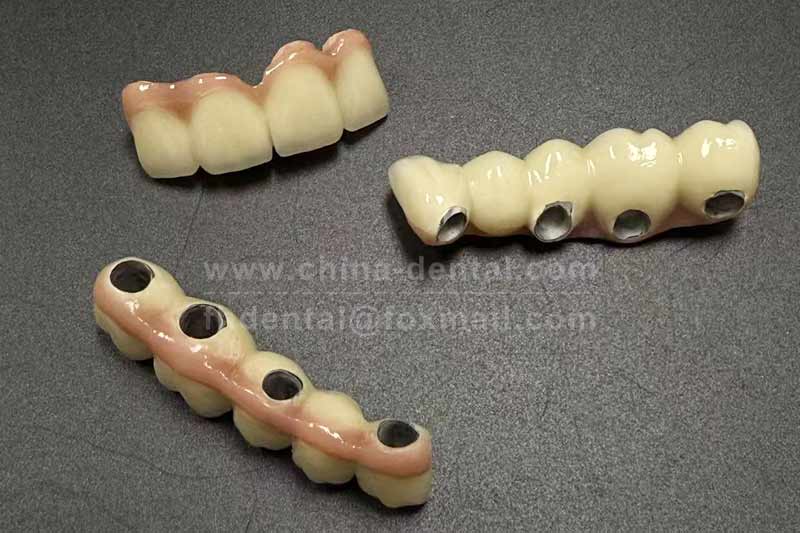
From a financial perspective, PFM crowns are generally more cost-effective than all-ceramic alternatives. They achieve the treatment goals of restoring masticatory function, protecting the abutment teeth, and maintaining dental arch stability at a relatively lower cost. For patients with budget constraints who still require high-quality fixed restorations, PFM crowns effectively lower the threshold to treatment.
Clinically, the technique for PFM crowns is well-established, and dentists have extensive experience with their material properties and cementation procedures. Opting for a PFM crown means choosing a thoroughly validated, reliable restoration option that remains accessible to a wider range of patients. When discussing your treatment plan with your dentist, it is worthwhile to consider whether PFM crowns might be a suitable option for your specific case.
In summary, porcelain-fused-to-metal crowns continue to hold significant clinical value by offering a balanced combination of strength, reliability, and cost-effectiveness, particularly for posterior restorations and cases with high occlusal demands. As the dental industry evolves, leveraging resources such as China dental design, China dental outsourcing, and China dental lab can further enhance the accessibility, precision, and efficiency of delivering these well-established restorations—ensuring that patients receive durable, high-quality care tailored to their needs.