Frankel 3 in Clinical Practice: More Than Just Teeth, It’s About Modifying the Skeleton
When facing a child with anterior crossbite during the mixed dentition stage, we often need to determine: is it purely a dental problem, or are skeletal factors dominant? If there is a tendency for maxillary deficiency or mandibular prognathism, simply aligning the teeth often addresses the symptoms rather than the root cause. The value of the Frankel 3 functional appliance lies in its focus on skeletal growth modification.
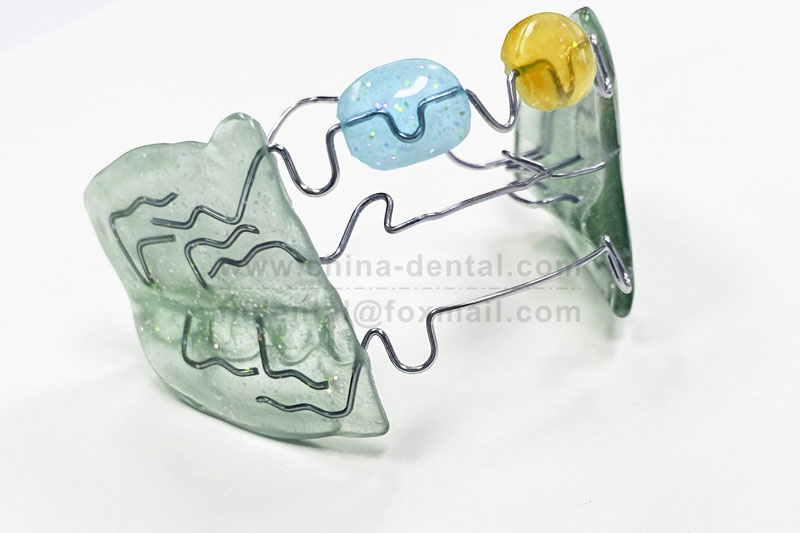
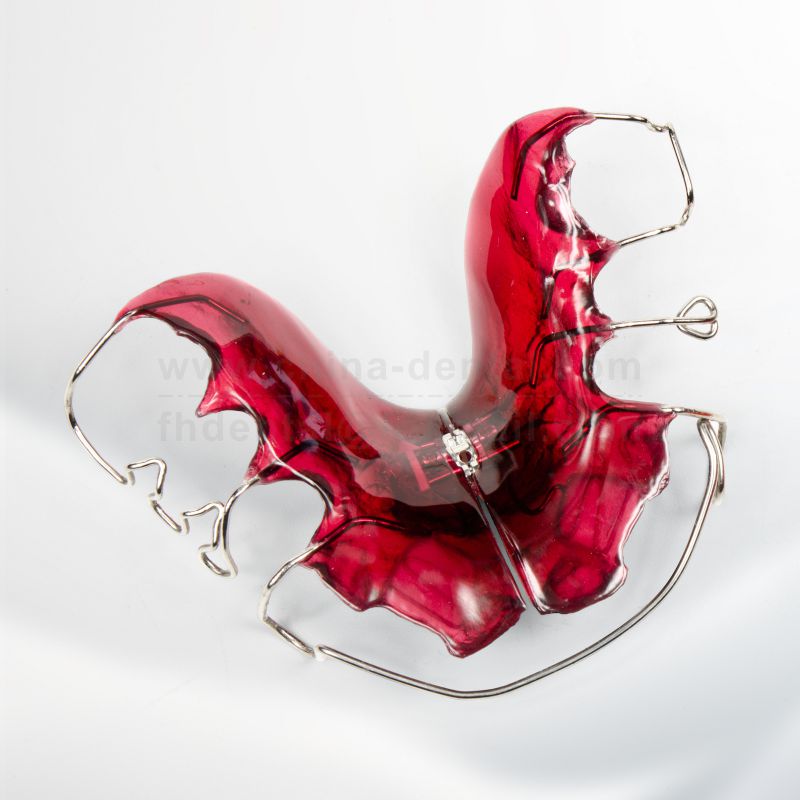
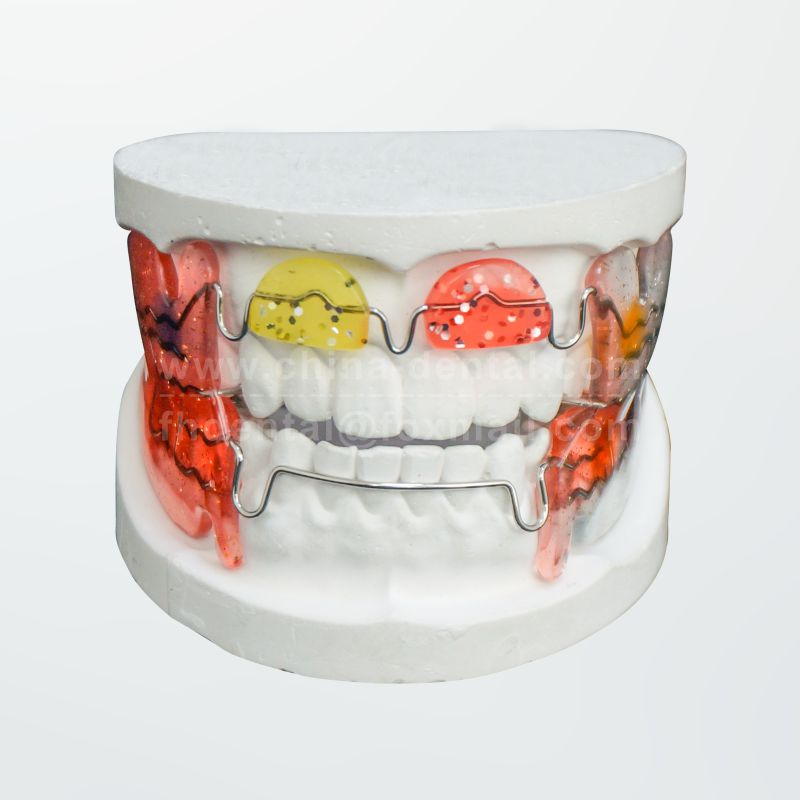
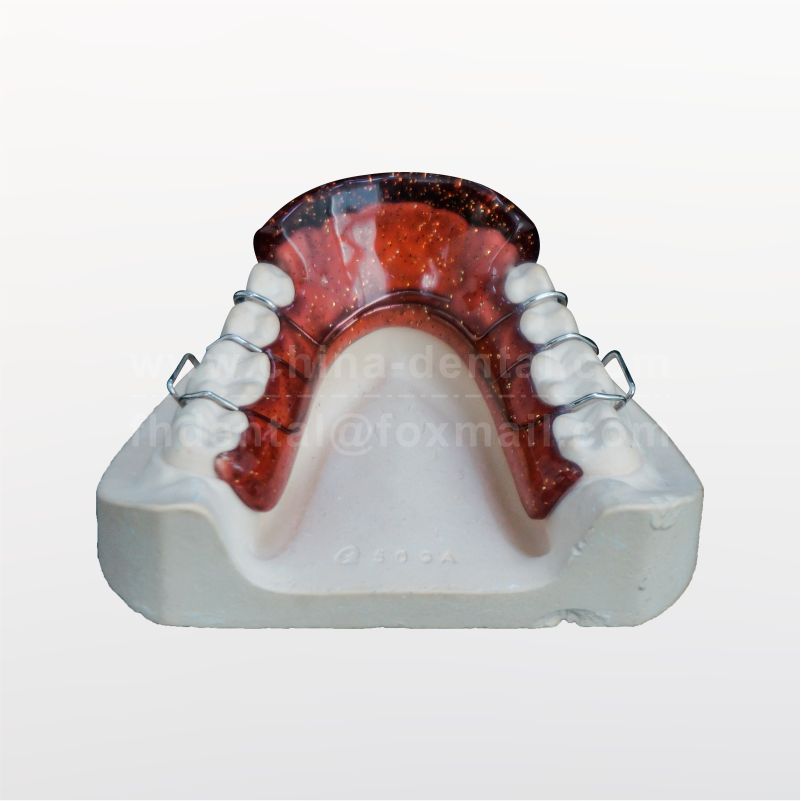
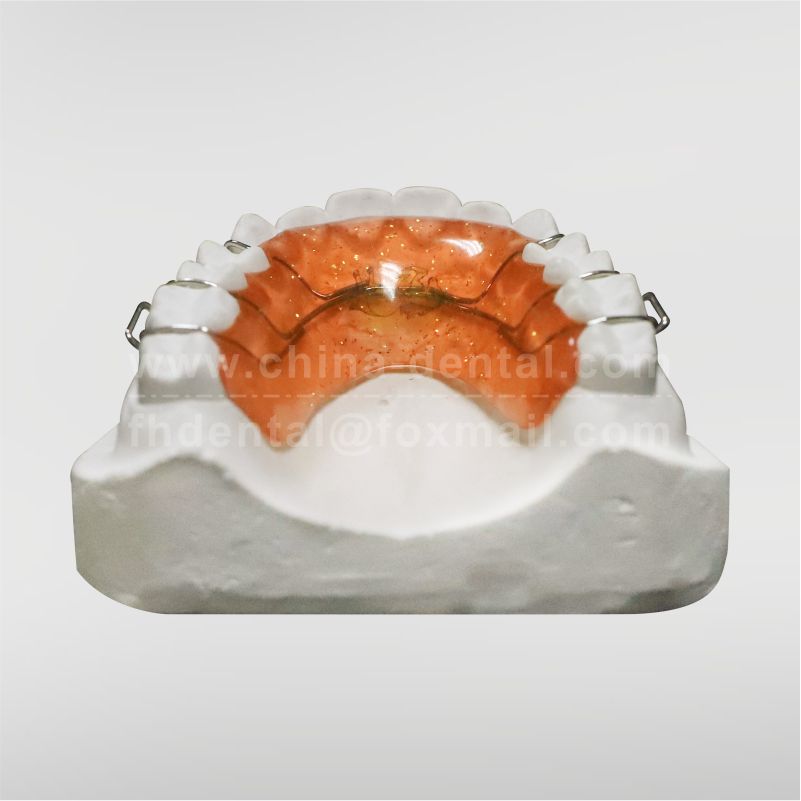
The Frankel 3 appliance may appear simple in structure, but the design of its upper lip pads and buccal shields is quite sophisticated. They don’t just passively “block” something; they actively reshape the balance of the perioral muscles. Once the abnormal pressure of the lip and cheek muscles on the dental arch is eliminated, a major “constraint” on the transverse and sagittal development of the maxilla is removed. More importantly, when the Frankel 3 is worn, the mandible is guided into a slightly posterior and inferior position. This positional change translates into a growth stimulus for the anterior maxilla while also regulating the direction of mandibular growth.
In clinical practice, accurate impressions and bite registration are the first steps, but the real key lies in the cooperation between the doctor and the patient. The effectiveness of this type of appliance is highly dependent on wear time—it needs to be worn for sufficient hours each day, with regular follow-up adjustments. When the doctor communicates this clearly with the parents, the child’s compliance often improves significantly. The treatment period is typically six months to a year, and in many cases, improvements such as maxillary advancement and crossbite correction can be seen during this phase. Incorporating the Frankel 3 into an early treatment plan means we are not waiting until the skeleton has matured to “correct” it, but rather guiding it in the right direction while it is still growing.
Early intervention with the Frankel 3 appliance offers a unique opportunity to harness a child’s growth potential, addressing skeletal imbalances before they become entrenched. Its success, however, relies not only on sound clinical judgment but also on the precision of the appliances used. This is where China dental design, China dental outsourcing, and China dental lab play a pivotal role—providing clinicians worldwide with access to expertly fabricated, high-quality functional appliances that ensure optimal fit and performance, ultimately helping young patients achieve more predictable and stable outcomes.