Snoring doesn't mean sound sleep — an anti-snoring device helps open your airway
Posted: May 29 , 2026
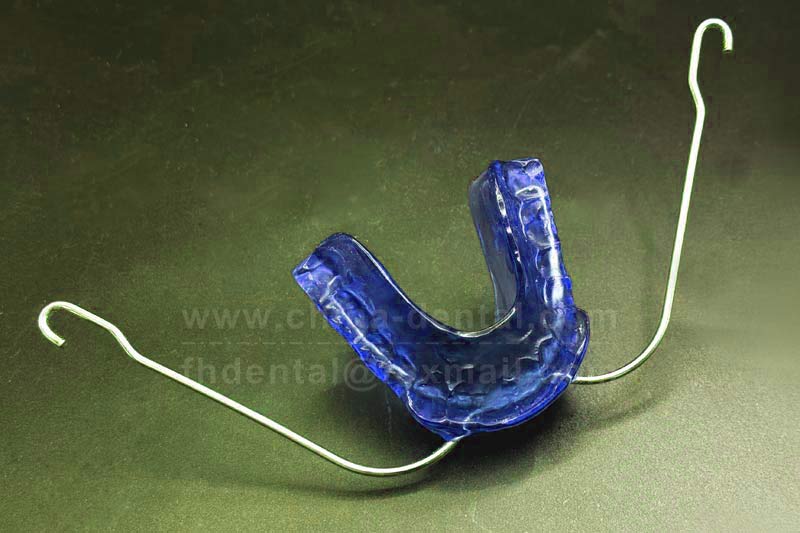
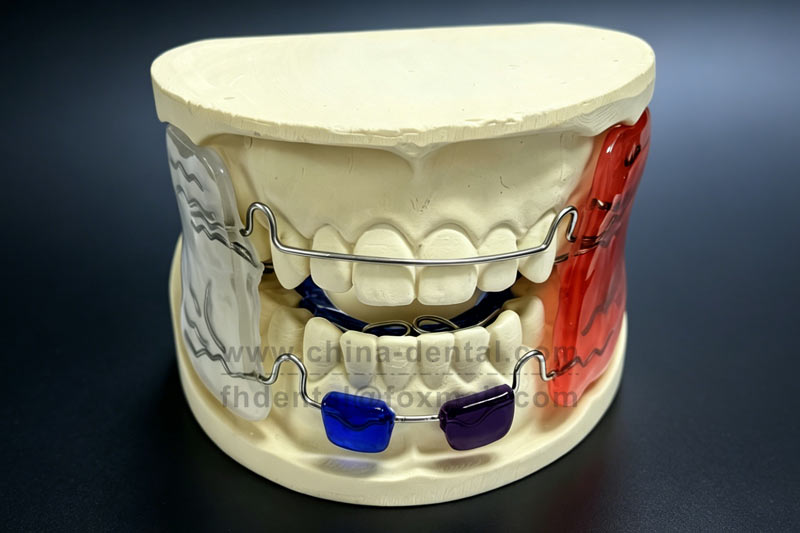
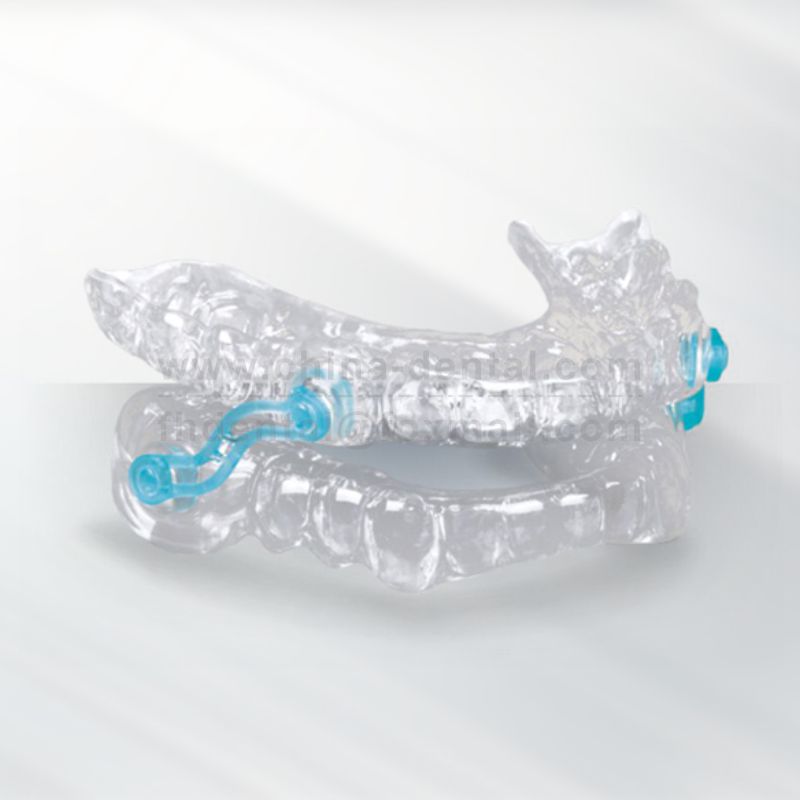
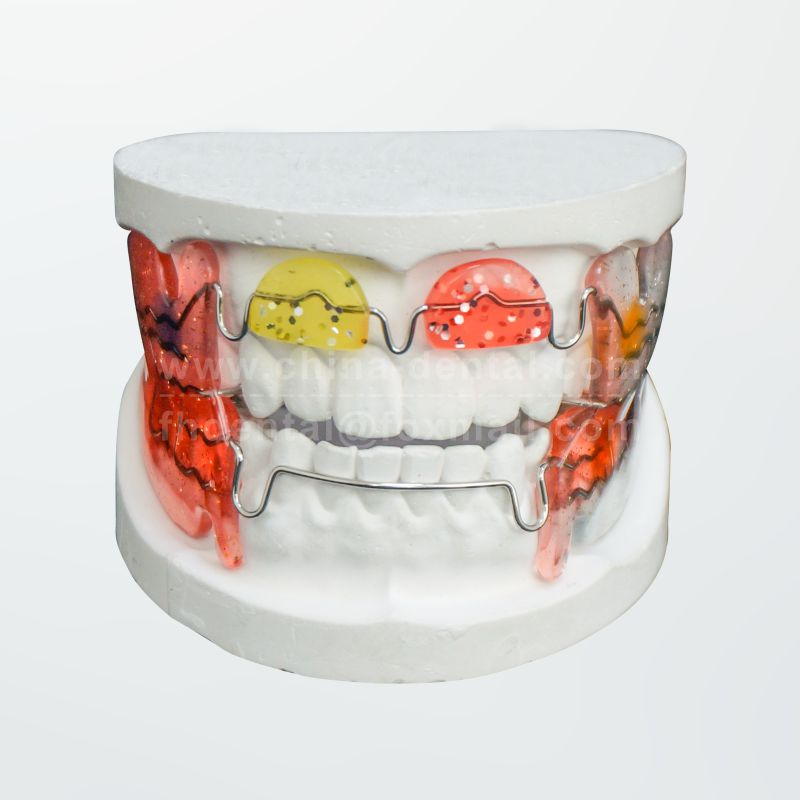
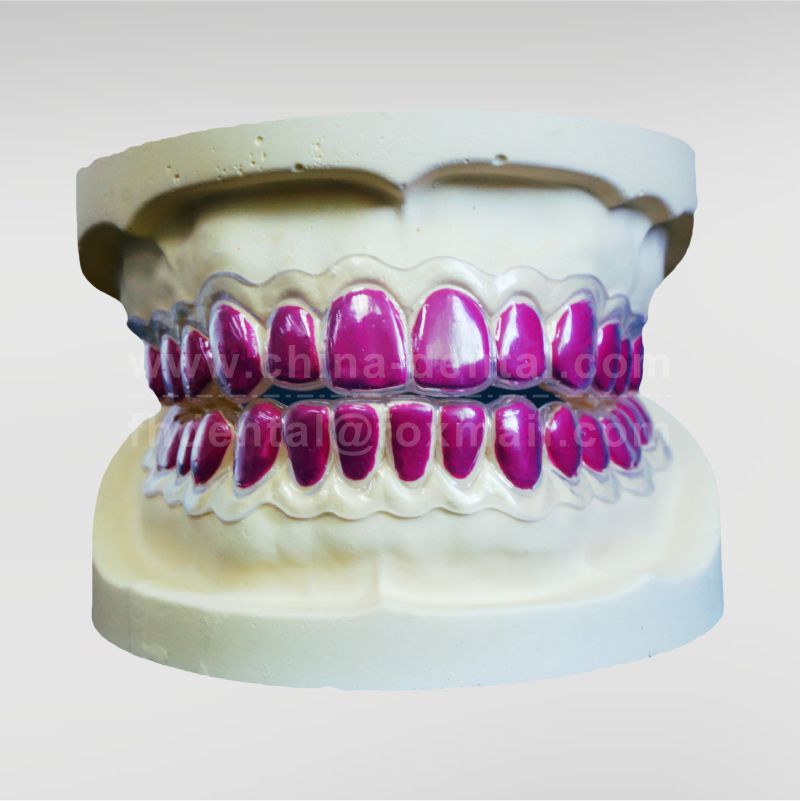
Many people think snoring is a sign of deep sleep, but in fact, the sound comes from the vibration of airflow passing through a narrowed airway caused by the collapse of soft tissues in the throat during sleep. Chronic snoring not only disturbs your bed partner's rest but may also indicate poor breathing or even sleep apnea. An anti-snoring device is specifically designed for this problem. It consists of upper and lower transparent splints connected on both sides by connecting rods. When worn, the device gently pushes the mandible and the base of the tongue forward, thereby opening the pharyngeal airway. When airflow passes through without turbulence, the vibrating noise is reduced or eliminated. Clinical studies have shown that using an anti-snoring device can significantly reduce snoring in more than 80% of patients, while also lowering the apnea-hypopnea index by about half. For patients with mild to moderate snoring who are unwilling to undergo surgery or wear a CPAP machine, an anti-snoring device is a comfortable and effective option.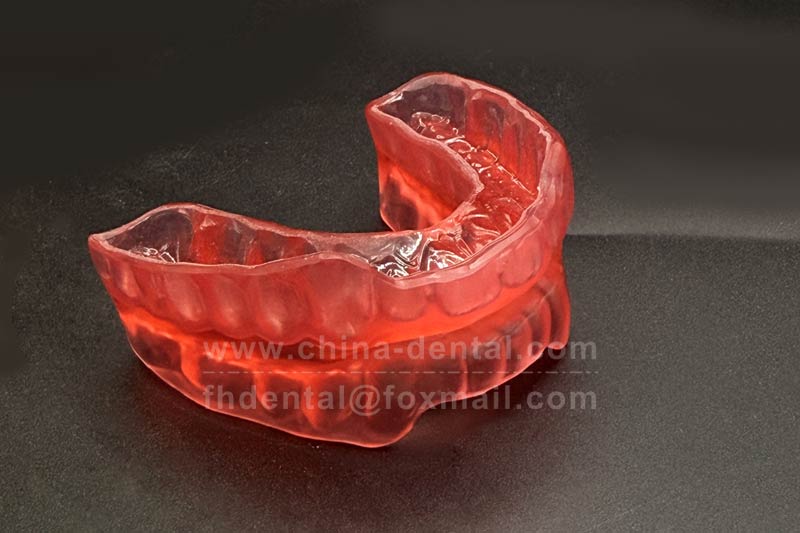
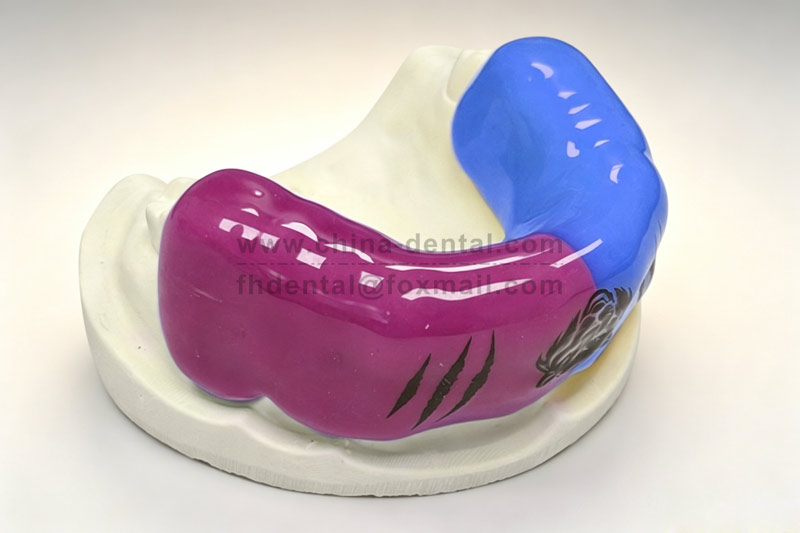
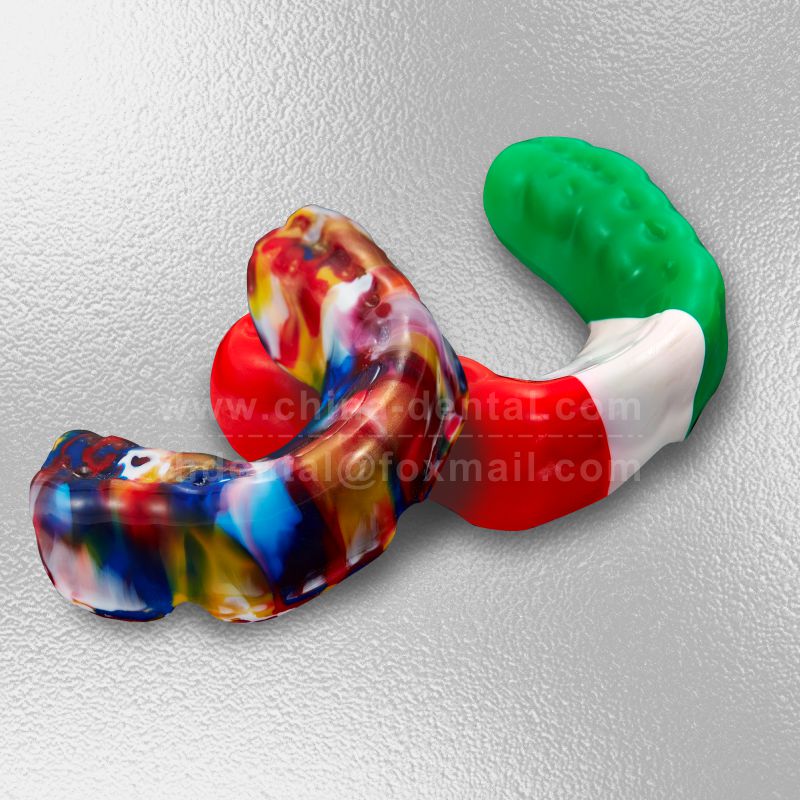
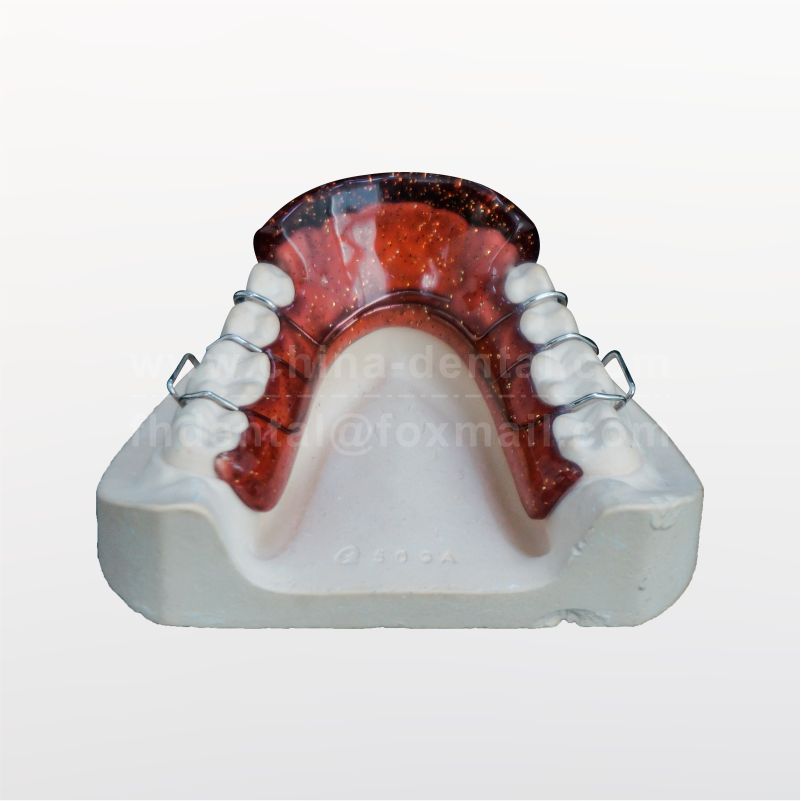
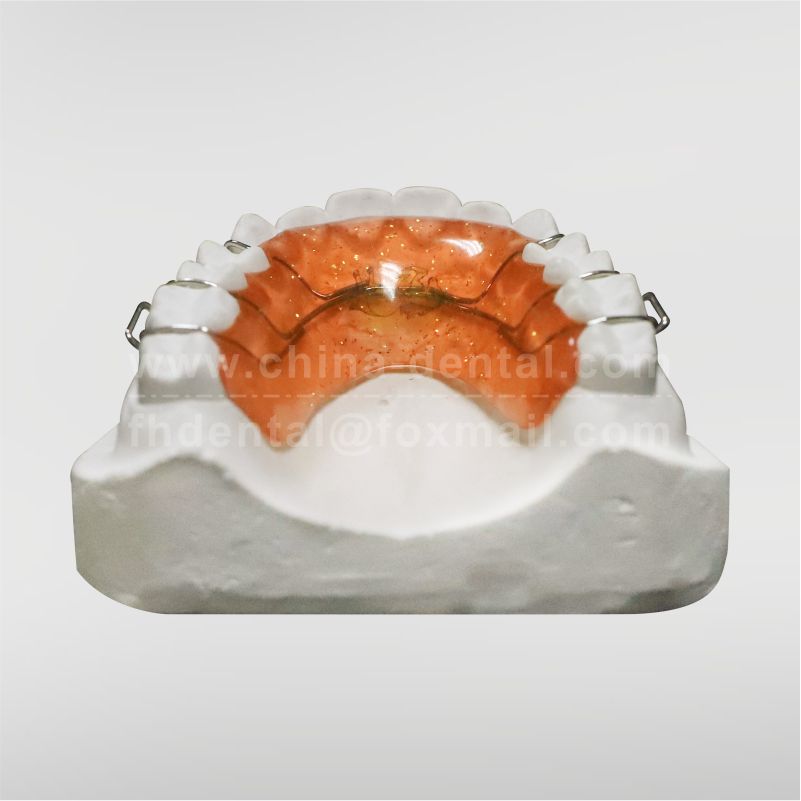
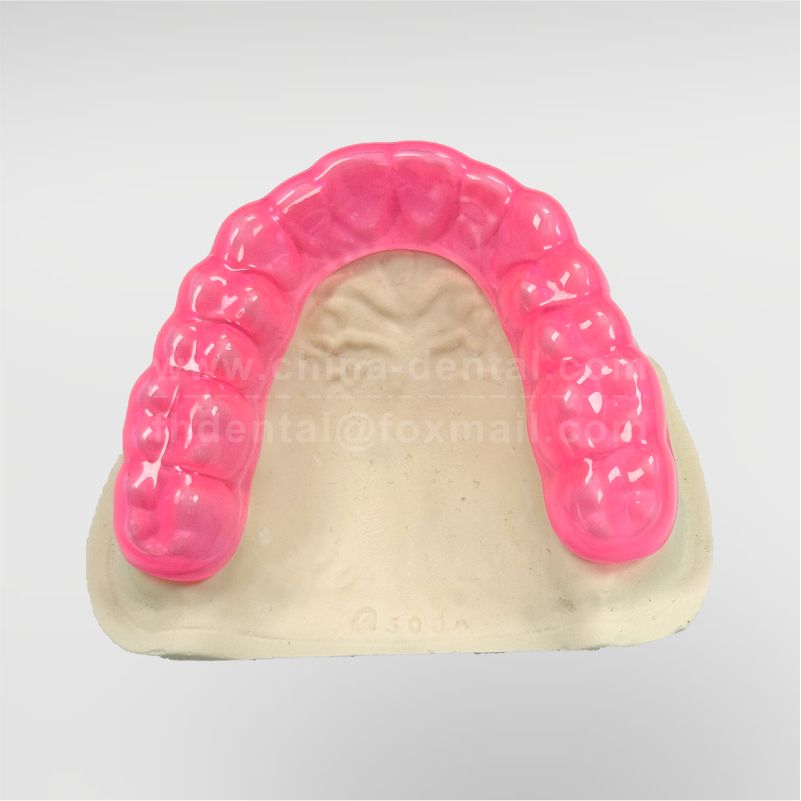
There are different designs of anti-snoring devices on the market. For example, the linkage type allows the rod length to be changed to adjust the amount of mandibular protrusion. Other types include monolithic upper-lower trays with a soft inner layer and hard outer layer, as well as shark-style anti-snoring devices. For first-time users, it is recommended to start with a small amount of protrusion. Wear the device before sleeping, and adaptation usually takes about a week. Many people report that after using the anti-snoring device, they no longer wake up gasping during the night and feel much more energetic during the day. If you or a family member snores loudly, consider consulting a dental or sleep clinic to see if a custom-made anti-snoring device is suitable for you.
In summary, a custom-fitted anti-snoring device effectively relieves snoring and sleep apnea by advancing the mandible and opening the airway, offering a non-invasive alternative to surgery or CPAP. To produce high-quality, precisely fitted devices, many clinics rely on outsourced dental lab services that specialize in oral appliances. An offshore dental lab China often provides excellent craftsmanship at competitive costs, making it a popular choice for global healthcare providers. Choosing a reliable dental lab partner ensures that each device is tailored to the patient's unique jaw structure and protrusion needs. A professional China dental lab with expertise in sleep appliance fabrication can help clinicians achieve better treatment outcomes and improve patients' quality of life and sleep.